


Impact in wellbeing event 2: from measuring to doing - key lessons
On 24 September HR professionals and wellbeing leads came together in the centre of Antwerp for our second Impact in Wellbeing event. This time everything revolved around one question: what do you do with the numbers once you have them? Below you'll find the core of what we discussed.
This event built on our previous Impact in Wellbeing event, where we discussed how to make the impact of mental wellbeing measurable.
Recap: from goal to KPI
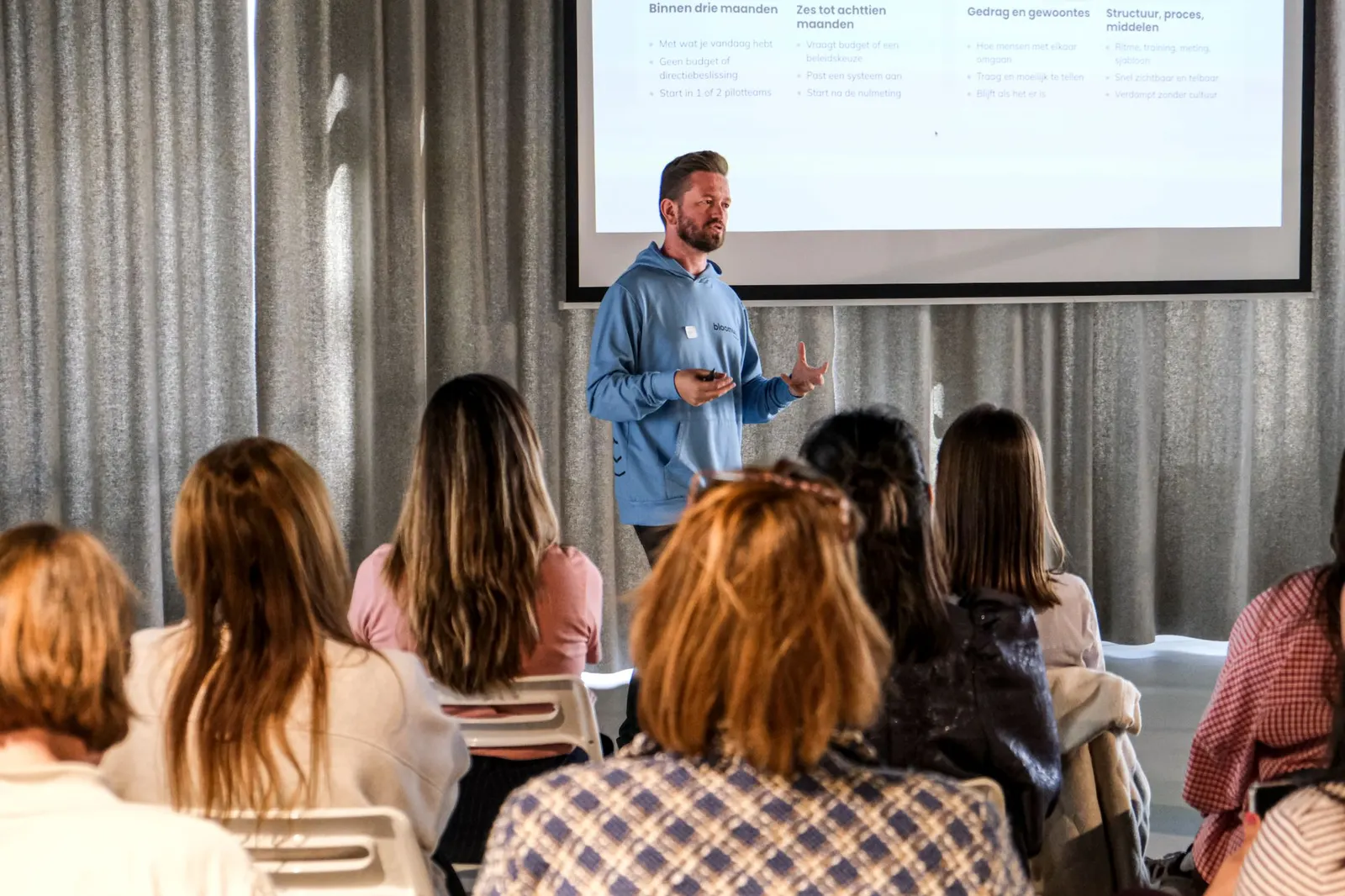
Clovis Six (Founder & CEO, BloomUp) presented the CM case as a success story of data-driven wellbeing. After 1 year, 8.3% of employees had proactively sought help, and 57% of the people who wanted to leave decided to stay.
When setting KPIs, he drew a clear distinction:
- Lagging objectives, such as the long-term absence rate, only show afterwards whether you reached your goal.
- Leading KPIs, such as the share of employees who proactively seek help, move faster and show whether you're on track.
Jan Yperman Hospital case: how do you link actions to results?
To move from a feeling to numbers, we follow this process:
Observation → problem → consequence → objective → action
At Jan Yperman Hospital there was no number to start from, only a feeling on the work floor. Through the steps of observation, problem and consequence, that feeling became a concrete HR objective: an open feedback culture, linked to the hospital's strategy.
Using the IGLO model, we translated that feedback objective into actions at 4 levels: individual, group, leader and organization.
- Structural actions, such as 1-on-1s or training, become visible quickly.
- Cultural actions, such as asking for feedback yourself, take longer but stay embedded in the organization for longer.
Every action is assessed on 3 numbers: was the action carried out, do employees feel the difference, and is the objective moving?
Soft HR, hard numbers
Jasper Dezwaef (Co-founder & CEO, Wenite) spoke about the importance of asking the right questions: that's the only way to get the right insights. His guidelines:
- One thing per question. This avoids ambiguity.
- Always the same scale. This lets you map the differences between measurements.
- Keep experience and policy apart. What your organization does and what people feel are 2 separate things.
As in the previous session, the focus was on an objective process: you start with an objective and end with actions backed by KPIs.
On absence, Jasper said: that number tells you it's happening, but not why. So measure what comes before it, such as stress or supportive leadership, and record every action you take. That way you see where things move.
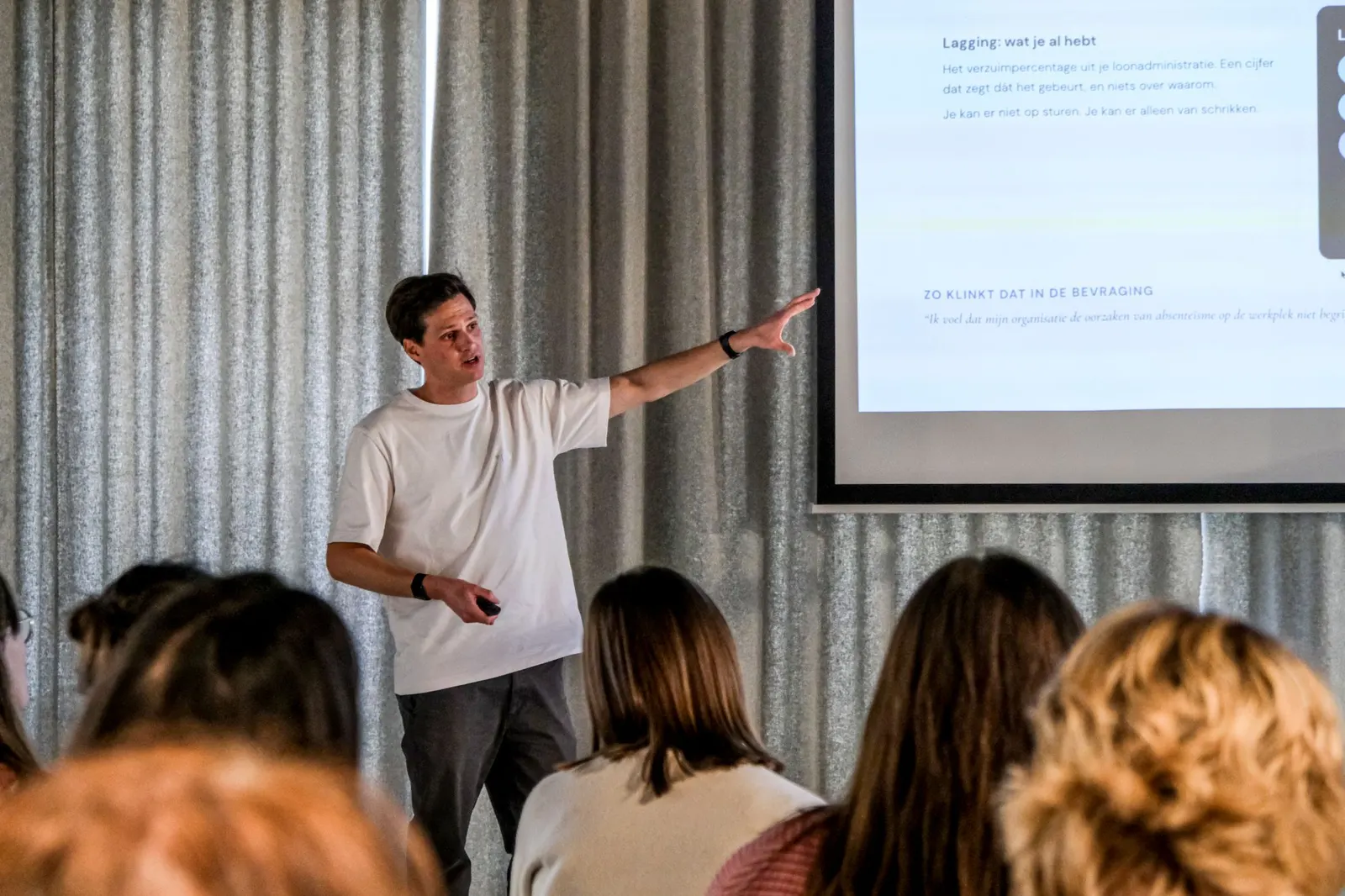
From baseline to quarterly measurement
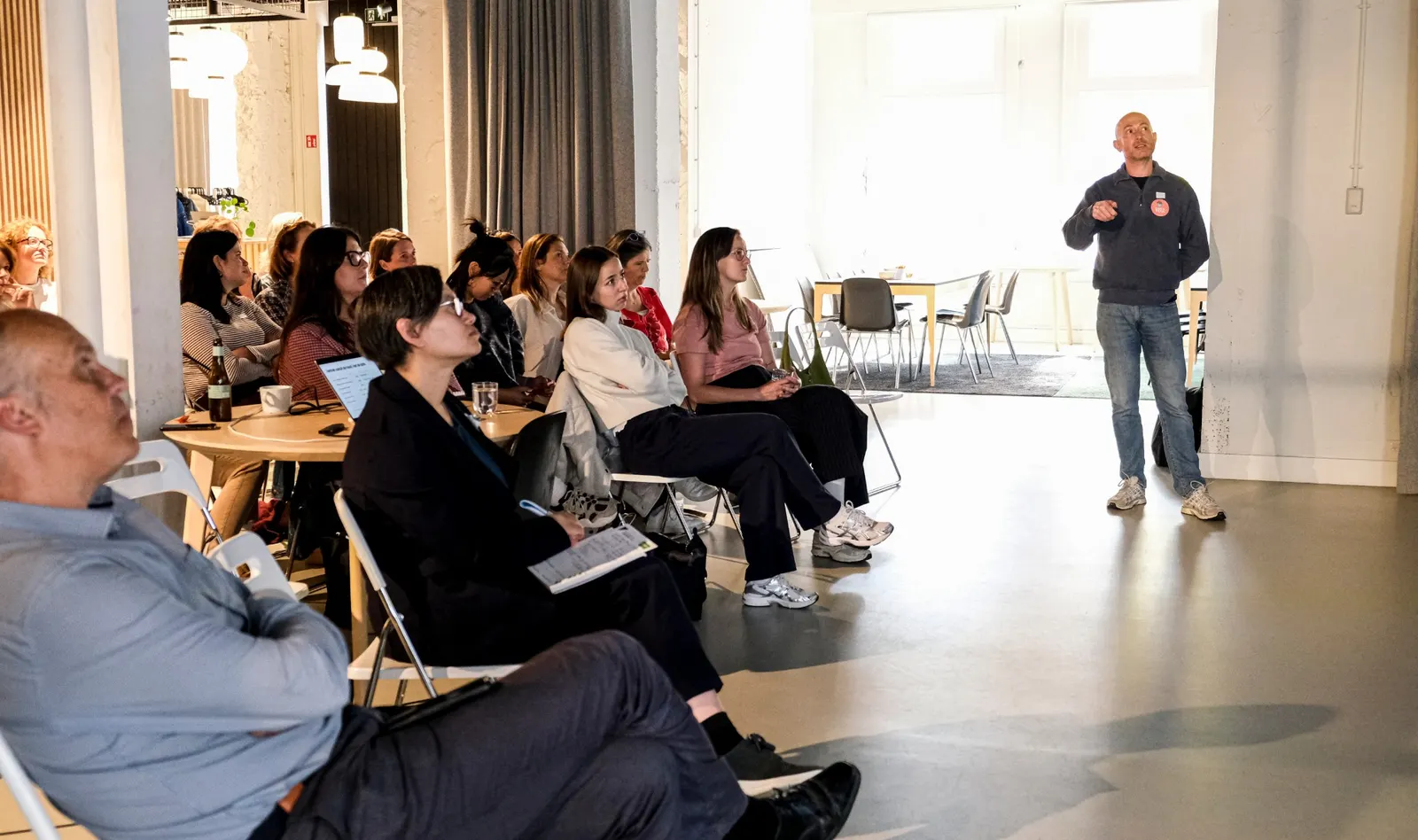
Jasper Boschmans (Customer Success, BloomUp) outlined how this works with clients:
- First, you set the objectives and KPIs.
- Everyone fills in a baseline measurement.
- Every quarter, a short measurement follows per team, with only the KPI questions.
Along the way, you make choices based on efficiency:
- Statistically watertight or workable in the short term
- Standard survey or tailored
A good baseline measurement determines how targeted your actions can be. Make sure it covers all your KPIs. Aim for a high response rate, but don't let a low response hold you back: every employee who responds is someone you can help.
Jasper was open about the challenges: goals can be too broad, insights aren't always followed by action and KPIs sometimes drop out of sight. The answer: keep following up and adjusting.
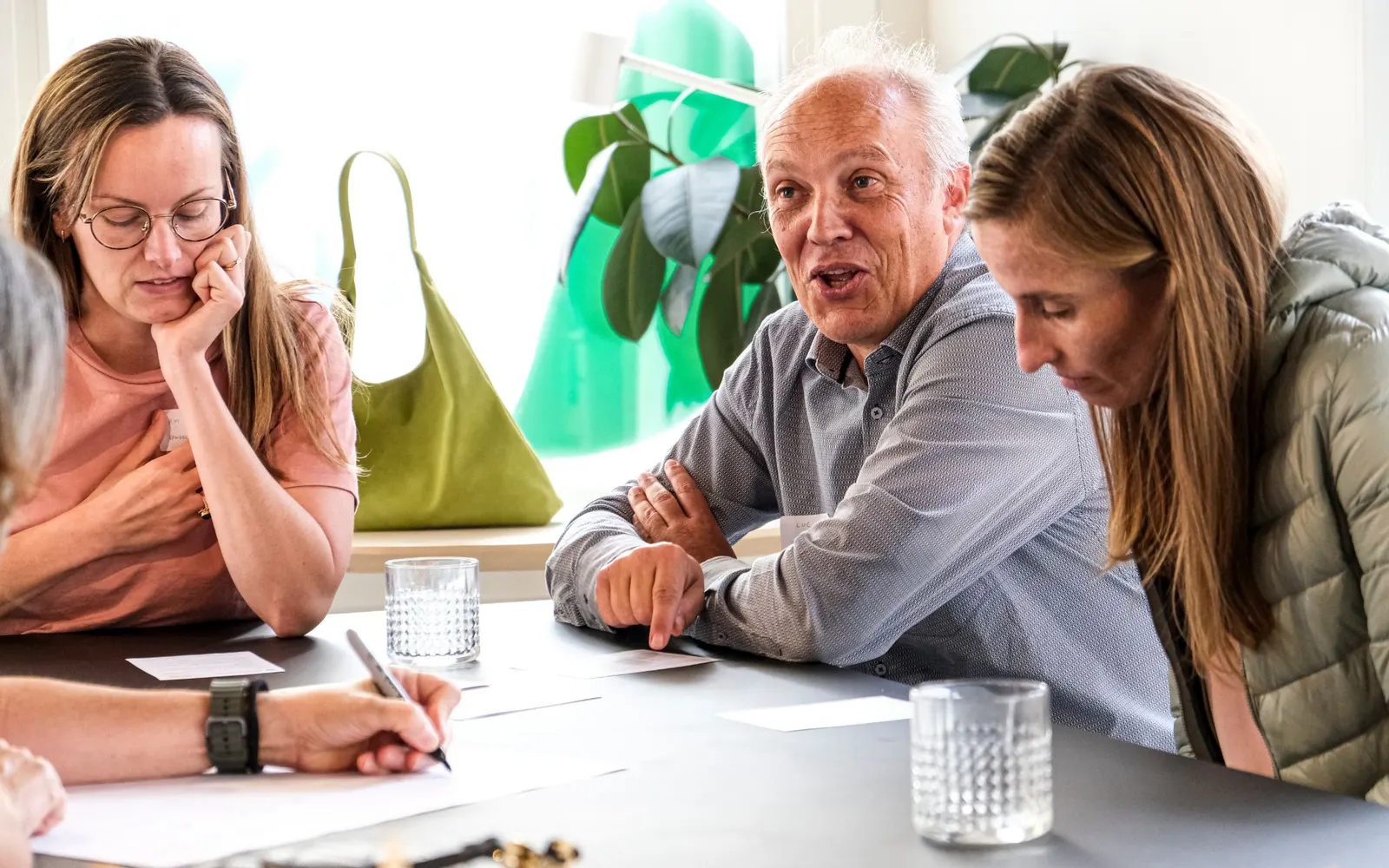
Workshop: from signal to first action
In the workshop, every table worked through a fictional case: from 1 signal to a first action, with a KPI that tells you something within 3 months. Not unexpectedly, the step from that first observation to concrete actions and KPIs turned out to be far from obvious.
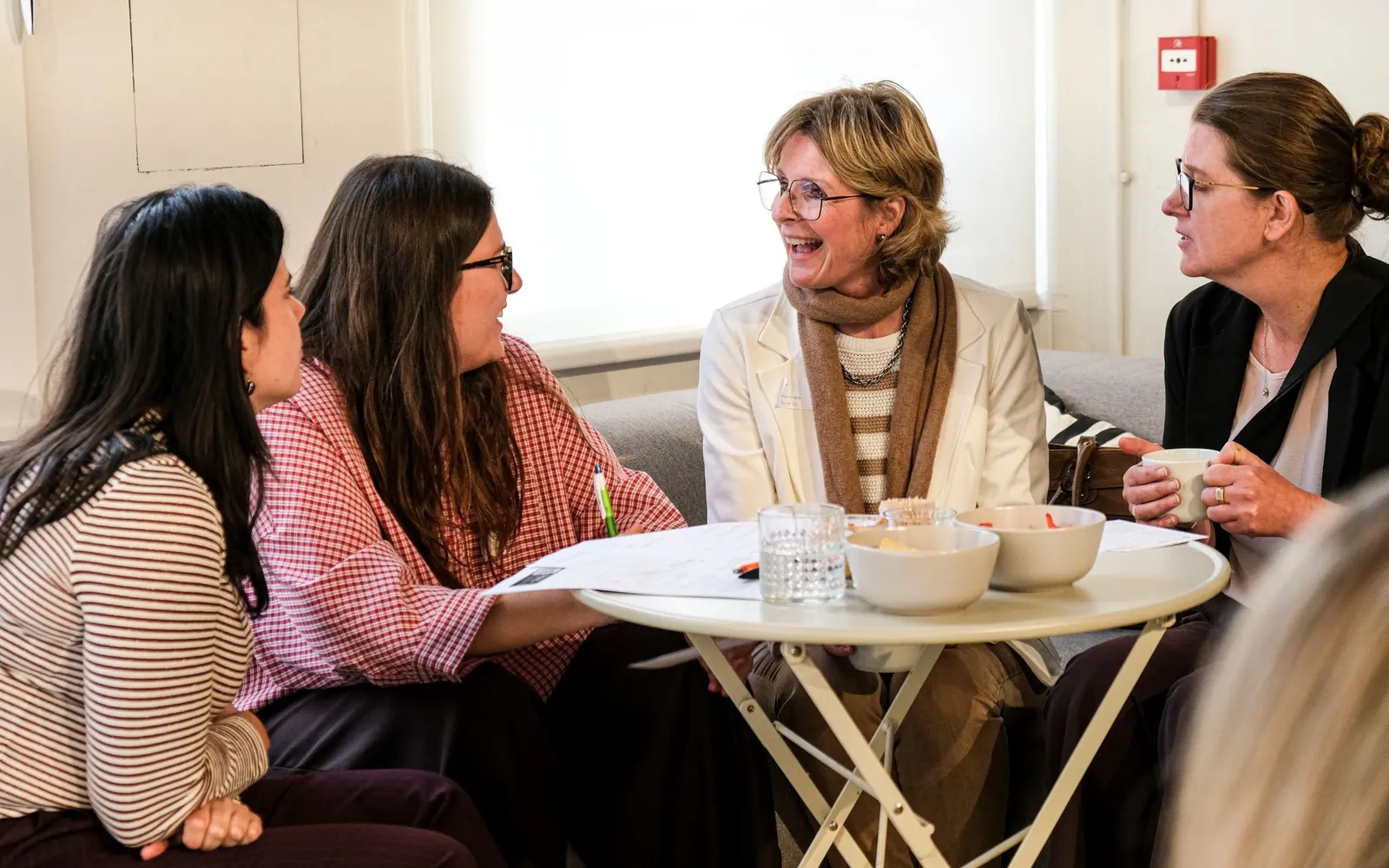
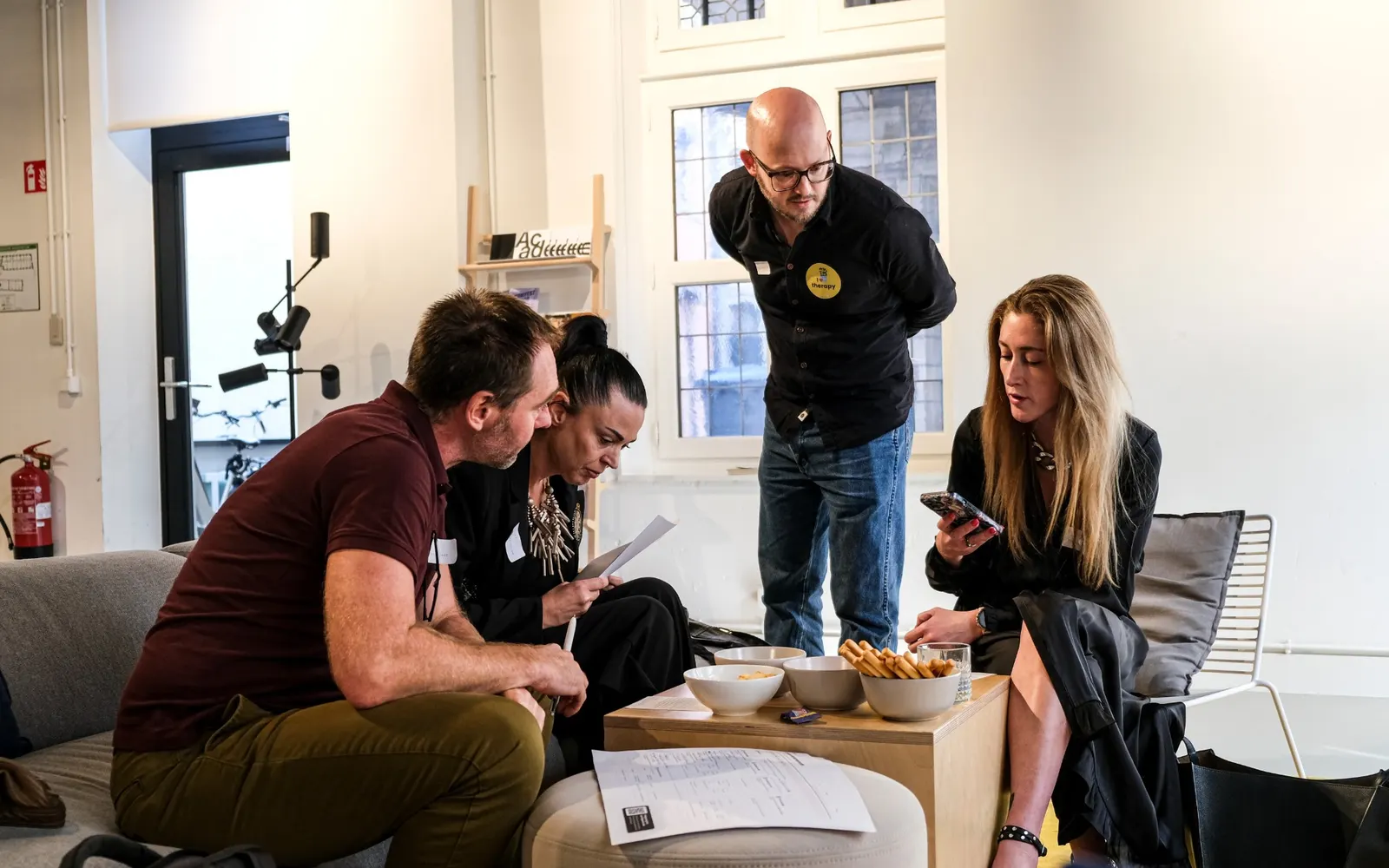
Would you like to use the workshop materials yourself? Send us an email.
3 things to take away
- An achievable goal needs measurable objectives. We take action with the best intentions, but if you can't show what works, you soon get stuck.
- The right observations come from the right questions. Gathering information the right way is an important first step, intermediate step and final step. Think about how you arrive at your insights.
- Data-driven wellbeing is an iterative process. When you reach the end, you start again. Wellbeing is a difficult subject, so for many organizations lots of small steps are more achievable than 1 big one.
What's next?
Would you like to turn your wellbeing measurement into a concrete plan? Book a conversation using the button below.
Written by:
Robbert Bremer